Cancer Science Seminar: April 16, 2026
A partnership with Ellis Fischel Cancer Center.
________________________________________________
"Partnering for Progress: How Biostatistics Strengthens Cancer Research"
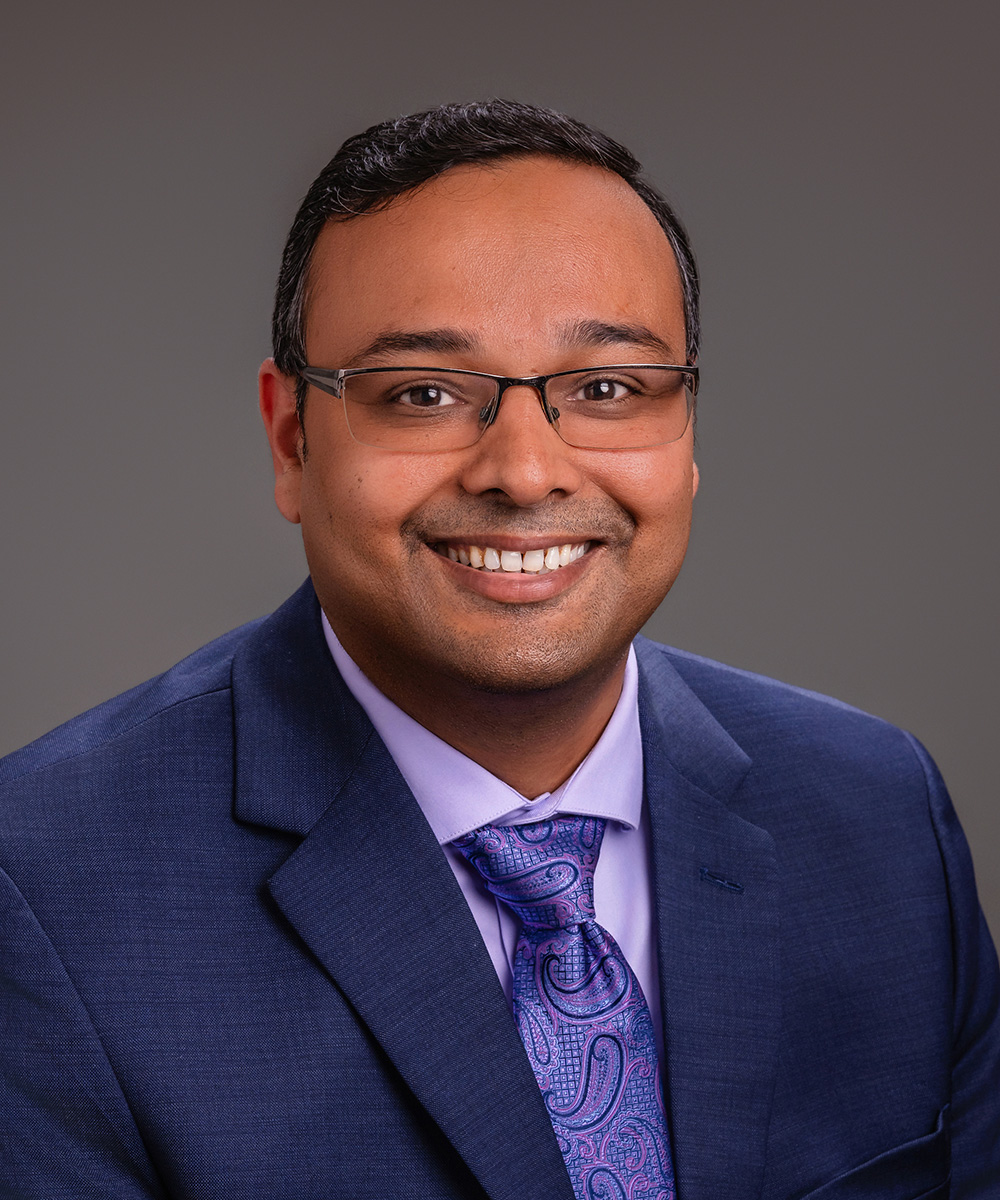 |
Speaker: Date: Thursday, April 16, 2026 Location:
|
 Register Here
*Zoom option available
Description
Advancing cancer research increasingly requires strong partnerships between clinicians, researchers, and biostatisticians. Biostatistics provides essential methodologies for designing rigorous studies, analyzing complex biomedical data, and generating reliable evidence that informs clinical decision-making. Evidence consistently shows that early involvement of biostatisticians improves research quality, enhances reproducibility, and increases the success of publications and grant funding. In this presentation, I highlight examples of collaborative work demonstrating how biostatistical methods strengthen cancer research across the research continuum. Our studies demonstrate that inappropriate statistical models misaligned with outcome distributions can lead to inaccurate predictions, as seen in research on lymph node prediction in breast cancer and polyp detection rates in colonoscopy. Using systematic reviews and meta-analyses, we synthesized evidence on the role of MRI in breast cancer screening and evaluated the therapeutic effects of bevacizumab in early and advanced breast cancer. Mediation and heterogeneity analyses helped identify individuals most likely to benefit from colorectal cancer screening interventions, while agreement analyses established tailored risk assessment tools for colorectal cancer among Hispanic populations. Decision tree analyses further supportedclinical decision-making by identifying patients with atypical meningioma who may benefit from postoperative radiotherapy. These examples illustrate how collaborative partnerships between biostatisticians and cancer researchers strengthen methodological rigor, improve interpretation of complex data, and ultimately accelerate progress in cancer prevention, diagnosis, and treatment.
About the Speaker
Dr. Dwivedi’s research is dedicated to advancing evidence-based and value-based biostatistical practices in biomedical research. He develops resources to enhance scientific rigor and promote best practices, aiming to elevate the quality of research and scholarship across disciplines. His clinical-epidemiological research focuses on understanding the complex interplay between endocrine-disrupting chemicals, sex hormones, metabolic stressors and neuropsychiatric symptoms for cardiac, dementia and cancer risk prevention in the context of sex differences.
Dr. Dwivedi applies and facilitates the integration of biostatistics, epidemiology, data science and informatics tools across a wide range of health research — spanning basic science, translational research and population health. His work supports the design, conduct, analysis and interpretation of health studies aimed at understanding disease etiology, health disparities and the effectiveness of interventions and treatments to enhance informed decision-making and improved patient care. As a collaborative and team scientist, Dr. Dwivedi provides methodological expertise in grant development and research studies. In addition, Dr. Dwivedi also develops robust methods and innovative tools for improving statistical skills, knowledge, innovation, efficiency and support across the scientific community. Dr. Dwivedi teaches and creates educational resources to train the next generation of researchers in the appropriate and rigorous application of biostatistics, epidemiology, research design and health informatics in clinical and translational science.
About the Seminar Series
The goal of the NextGen Precision Health & Ellis Fischel Cancer Center Science Seminar is to highlight transdisciplinary precision research taking place in the cancer field, provide opportunities for collaboration among researchers to build their own research efforts and promote clinical/researcher activity across the University of Missouri System and our partners.
For questions about this event, please reach out to Mackenzie Lynch.
 |  |