Cardiovascular, Muscle & Metabolism Science Seminar: October 12, 2026
A partnership with Nutrition & Exercise Physiology.
________________________________________________
"Diet-Microbiome Interactions in Human Health and Disease"
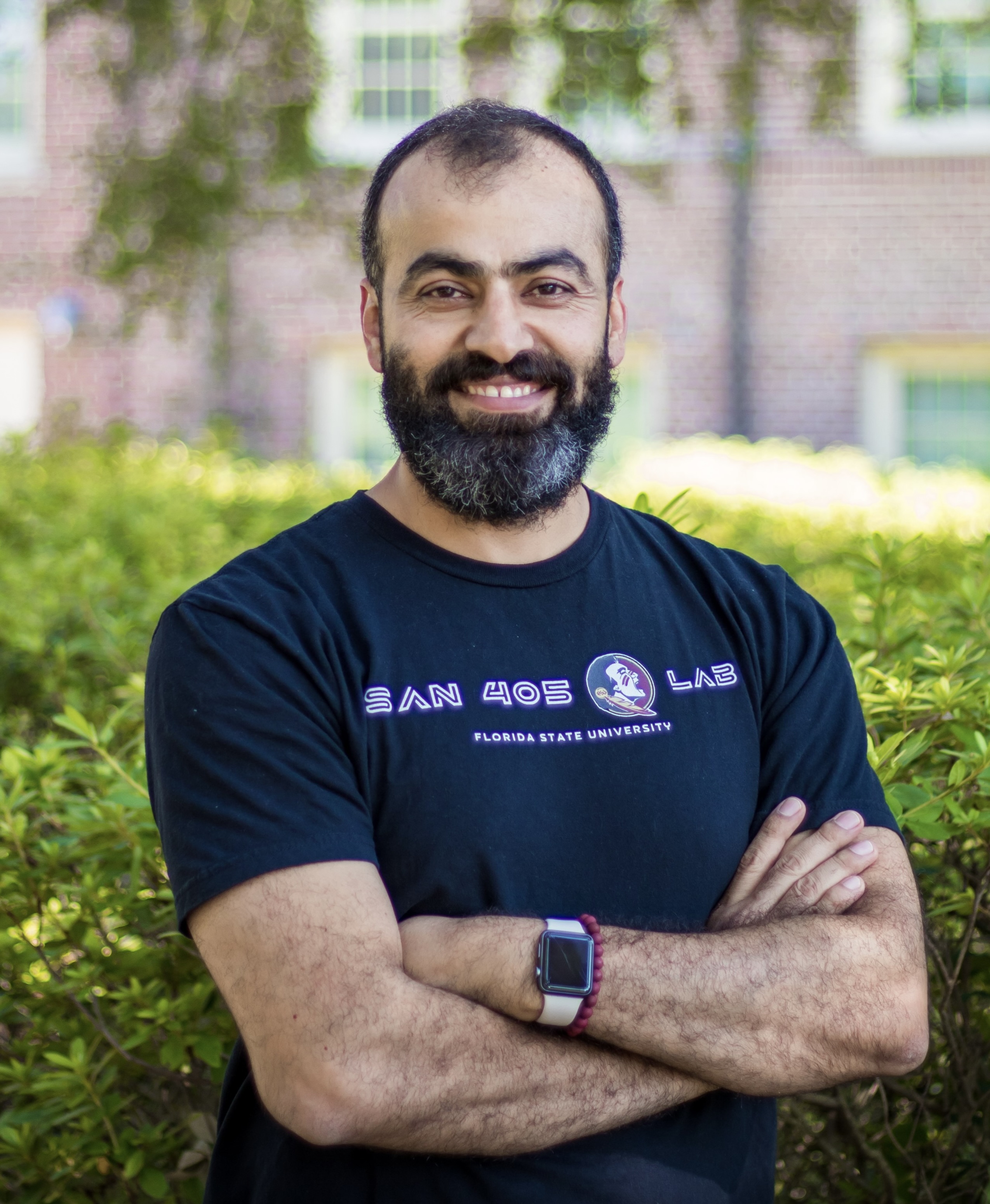 | Speaker: Date: Monday, October 12, 2026, 12:00 p.m. - 1:00 p.m. Location: |
 Register Here
*Zoom option available
Description
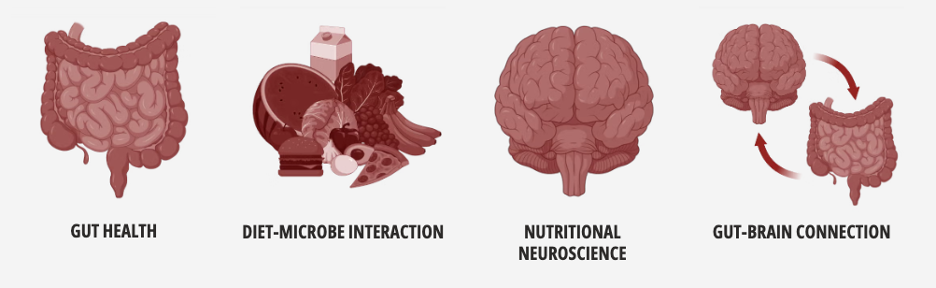
Our gut microbiome plays an important role in our digestive, metabolic and immune health. Microbes dwelling in our gastrointestinal tract may also regulate and impact our neurodegenerative and neurocognitive health via producing specific metabolites that act as neuroactive signaling molecules. Gut microbiome perturbations (‘gut dysbiosis’) have been linked to several cardiometabolic and neurological disorders including obesity, type-2 diabetes, and Alzheimer’s disease, suggesting a potential role for microbiome as a likely therapeutic target. Although, the precise mechanisms underlying these associations are only beginning to be understood. This talk will discuss some data from our Gut Biome Lab demonstrating how gut microbiome may be associated with specific cardiometabolic and neurocognitive disorders and how specific dietary modulations of this microbiome toward homeostasis may ameliorate markers of these disorders in preclinical and clinical settings.
About the Speaker
Dr. Nagpal is an Endowed Associate Professor of Nutrition and Microbiome at the Florida State University, where he directs the state-of-the-art ‘The Gut Biome Lab’. Dr. Nagpal earned his PhD in Food Microbiology from National Dairy Research Institute, India, in 2009. Subsequently, he completed a 5-year research fellowship in Gut Microbiology at the Juntendo University School of Medicine, Tokyo, Japan, where he investigated the pediatric microbiome and factors affecting this pioneering microbial ontogenesis in context to long-term health. Subsequently, he completed a postdoctorate tenure at the Wake Forest School of Medicine, NC, USA, studying the role of microbiome in aging-associated metabolic and neurocognitive disorders including type-2 diabetes and Alzheimer’s disease. At FSU, his independent research program is supported by multiple federal and state grants including the USDA, FDOH, NIH, EPA, IDSA, and several commodities and industry mechanisms, focused on understanding the casual versus causal role of the gut microbiome and diet-microbe interactions in host aging-associated intestinal and neurocognitive health. The long-term goals of his research are to identify dysbiosis and pathobiome signatures of specific gut bacteria, fungi and metabolites, and to harness this knowledge to develop novel nutritional and lifestyle interventions to suppress pathogenesis and foster a healthier microbiome, thereby ameliorating gut health and neurodegenerative diseases including Alzheimer’s disease. Dr. Nagpal has decade-long experience in executing microbiome studies in mouse models, non-human primates, as well as clinical cohorts of metabolic and neurocognitive disorders. As a researcher, he has published more than 150 papers, with over 15,000 total citations, in his areas of research. He is the founding Editor-in-Chief of the journal Gut Microbiome & Health (Elsevier) and also serves on the editorial board of journals including BMC Microbiology, Infection and Immunity, and Frontiers in Aging Neuroscience. He is a recognized Fellow of the American Society for Nutrition (FASN) and is also actively affiliated with other societies including the Infectious Diseases Society of America, the US Shock Society, the American Societies for Microbiology, the International Union of Nutritional Sciences, and the International Scientific Association for Probiotics and Prebiotics, and has presented his research as invited speaker at numerous national and international scientific conferences.
About the Seminar Series
The goal of the NextGen Cardiovascular, Muscle & Metabolism Science Seminar is to highlight transdisciplinary precision research taking place in cardiovascular, muscle and metabolism fields; provide opportunities for collaboration among researchers to build their own research efforts; and promote clinical/researcher activity across the University of Missouri System and our partners.
To learn more about the series, reach out to the NextGen engagement team at nextgenengagement@umsystem.edu.