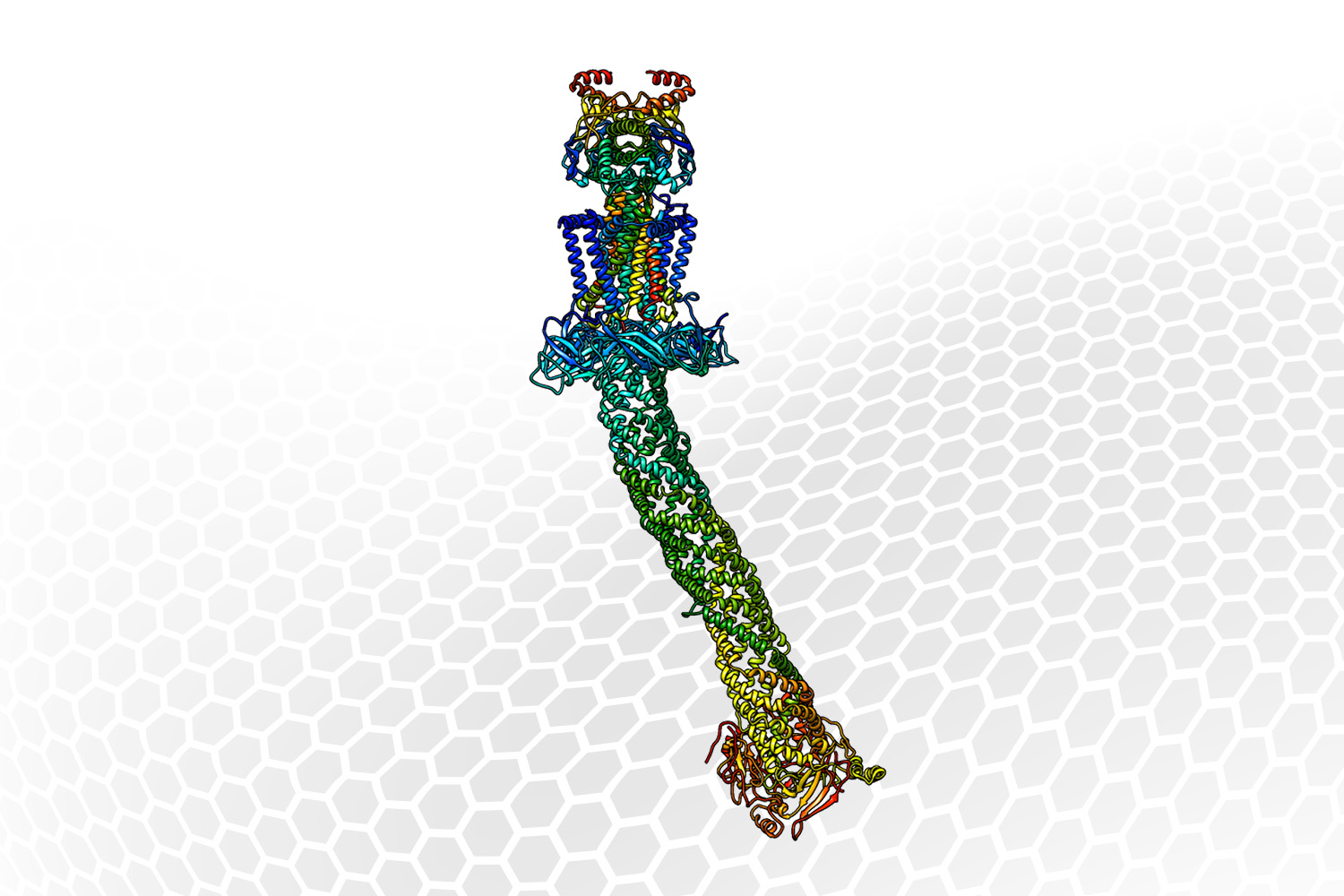
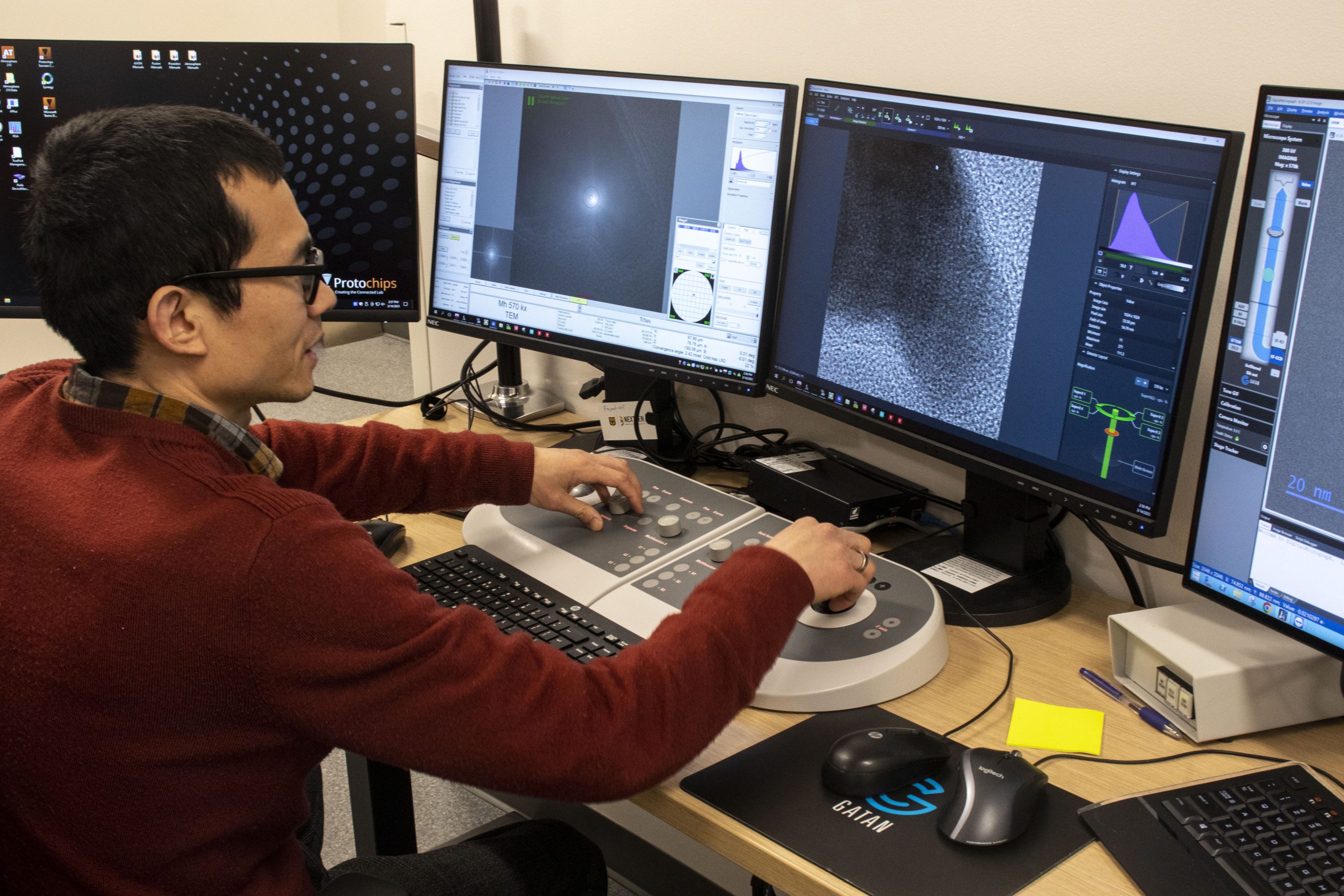
Breadcrumb Home News Research AI Software Can Provide ‘Roadmap’ for Biological Discoveries Predicting a protein’s location within a cell can help researchers unlock a plethora of biological information that’s critical for developing future scientific discoveries related to drug development and treating diseases like epilepsy. Cheng Developing Software to Predict Protein Function Using Generative AI A Mizzou Engineer has received funding from the National Science Foundation to develop a tool that will predict how a protein functions based on its order of amino acids. New Research Offers Hope in Fight Against Blood Cancers A groundbreaking process developed by researchers based in the Roy Blunt NextGen Precision Health Building is offering new hope in the fight against blood cancers, such as lymphoma and leukemia. A new view of microscopic processes New equipment for a specialized electron microscope at the University of Missouri is added with the support of a $800,000 grant from the National Science Foundation. Research Finds Link Between Western Diets and Chronic Liver Disease New research from the University of Missouri School of Medicine has established a link between western diets high in fat and sugar and the development of non-alcoholic fatty liver disease, the leading cause of chronic liver disease. Regulating immunological memory may help immune system fight disease, MU study finds Findings may help development of potential vaccines or immunotherapies for cancer and various inflammatory diseases. Researchers Receive $1.2 Million Grant to Study Link Between Gut Bacteria and Liver Disease Researchers from the University of Missouri School of Medicine have received $1.2 million from the National Institutes of Health to study how a diet high in fat and sugar may stimulate a type of gut bacteria to cause liver disease. Sedentary Lifestyle and Sugary Diet More Detrimental to Men A new study from the University of Missouri School of Medicine is the first evidence in humans that short-term lifestyle changes can disrupt the response to insulin of blood vessels. It’s also the first study to show men and women react differently to these changes. Growth and discovery: NextGen marks one year NextGen researchers have been awarded $97 million in grants in first year. Drug that lowers blood sugar also reduces blood vessel dysfunction caused by aging An FDA-approved drug medication intended to lower blood sugar may also prevent vascular constriction and stiffening in aging male mice. To find the right cure The new Roy Blunt NextGen Precision Health building is part of a larger precision health initiative. NextGen researcher profile: Christian Lorson The associate vice chancellor for research and strategic initiatives has found a logical extension from his previous research to a disease that affects several million people around the world. Researchers Receive $2.3 Million Grant to Weaponize Gut Bacteria Against Liver Cancer A new MU research study will examine how bacteria can optimize immunotherapy treatments. Researchers Receive $3 Million Grant to Test Diabetes Treatment Two University of Missouri School of Medicine researchers will receive $2.2 million of a $3 million grant from the U.S. Department of Defense to test a potentially life-changing, novel treatment for millions of people with Type 1 diabetes. NextGen researchers profile: Haval Shirwan and Esma Yolcu Husband-wife duo Haval Shirwan and Esma Yolcu are harnessing the immune system to fight disease. Researchers Receive More Than $6 Million to Study Diabetes-Related Cardiovascular Disease Two grants will fund diabetes-related cardiovascular disease research into potential treatments to improve vascular function. Comparative excellence Mizzou 18 recipient and graduate researcher Ryan Dashek turned a love of animals into a passion for comparative medicine. Personalizing the fight against flu With the opening of the NextGen Center for Influenza and Emerging Infectious Diseases, MU researcher Henry Wan is working toward a deeper understanding of the flu. Modifying the body’s immune system to help treat Type 1 diabetes Scientists at University of Missouri collaborate with Harvard, Georgia Tech to develop a novel diabetes treatment involving transplanting pancreas cells that produce insulin. Quick Collaboration One year in, this NextGen researcher is already fulfilling the initiative's mission to foster key research partnerships, exploring how estrogen and progesterone affect fertility in early pregnancy. Pagination Page 1 Next page ››