A partnership with the Interdisciplinary Neuroscience Program.
________________________________________________
"Imbalanced Neuroendocrine Regulation Underlies Central and Peripheral Cardiovascular Disorders Following Chronic Spinal Cord Injury"Presented by: Date: February 2, 2026, 4:00-5:00 p.m. Location: Roy Blunt NextGen Precision Health Building To be added to the monthly calendar event, email Smita Saxena. |
Description
The autonomic nervous system is a primary regulator of cardiovascular function, complemented by hormonal control through the renin-angiotensin system (RAS). Following high-level spinal cord injury, cardiovascular disorders frequently emerge in parallel with impaired neural control and heightened endocrine activity, yet the contribution of maladaptive hormonal signaling remains unclear. In this study, we demonstrated that elevated RAS activity is a key regulator of hemodynamic maintenance, baroreflex hypersensitivity, and vascular remodeling after spinal cord injury. Targeting this pathway may therefore represent a therapeutic strategy for mitigating cardiovascular diseases in spinal cord-injured patients.
Speaker
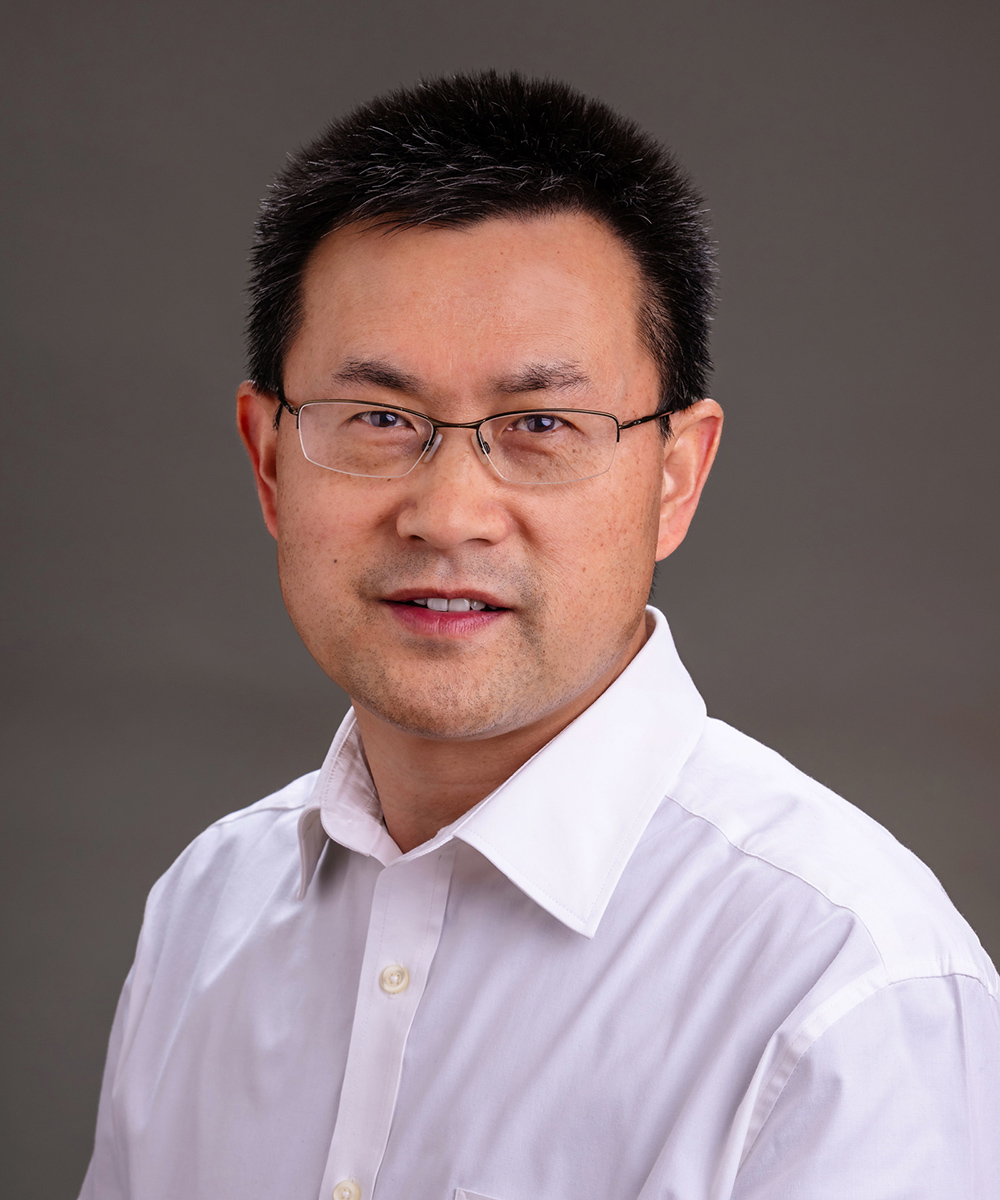
Dr. Shaoping Hou received his early education in China until earning a PhD in Neuroscience. During his postdoctoral studies, he was trained in the field of spinal cord injury (SCI) at the University of Kentucky and the University of California, San Diego. Later, Dr. Hou worked at Drexel University as a research associate, assistant and associate professor. His profound background and extensive training experience have equipped him with the ability to identify key scientific questions and employ multiple approaches to address them. The current research in his laboratory focuses on autonomic dysfunction after SCI, with an emphasis on cardiovascular and lower urinary tract disorders. Recently, his studies revealed that spinal endogenous dopaminergic mechanisms regulate the recovered spontaneous bladder reflexes after SCI. In the central nervous system, injured axonal projections are particularly refractory to growth due to neural intrinsic and extrinsic factors. He is exploring effective advances to increase growth capability and reduce inhibitory aspects for axon regeneration following SCI. Utilizing a myriad of therapeutic approaches, such as neural progenitor cell transplantation, passive exercise, cell reprogramming, and pharmacological interventions, his team attempts to rebuild neural pathways for autonomic functional recovery. The primary goal is therefore to elucidate supraspinal and intraspinal neural mechanisms and to explore therapeutic strategies for regaining autonomic homeostasis. Dr. Hou joined the University of Missouri in 2024 with refreshed thoughts and energy for a new era. He is responsible for both discovering scientific unknowns and fostering the minds of young scientists.
 |  |